
Building Your First Budget That Actually Works
Stop guessing where your money goes. Learn a simple three-step method that takes 20 minutes to set up and actually makes sense.
You don’t need an app that tracks every penny. We show you three different methods — pick the one that fits your style and actually stick with it.

Most people think tracking spending means obsessing over every coffee purchase. That’s not it. It’s actually just understanding where your money goes so you can make better decisions.
Here’s what we’ve seen work: Simple methods that don’t feel like punishment. Three approaches that are completely different — because what works for your friend might bore you to tears. The goal isn’t perfection. It’s progress.
The most important part? Picking a method you’ll actually use for more than two weeks. We’re talking sustainable habits, not performance anxiety.
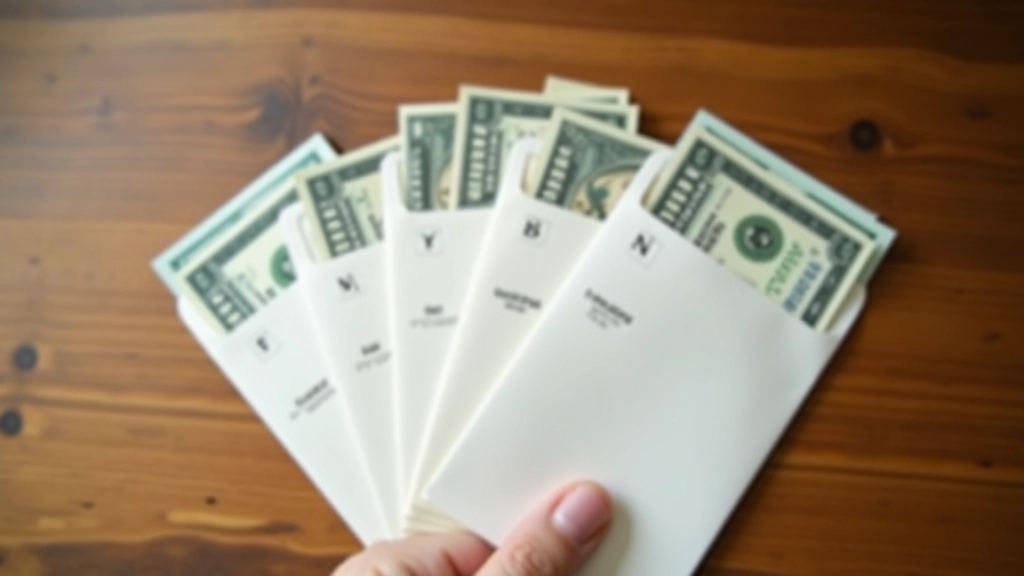
This one’s old school, but it works because it’s visual. You divide your money into categories and physically see when a category runs out.
Digital version: Create separate savings accounts or use a banking app with “pockets” or “vaults.” Real version: Use actual envelopes. It sounds strange, but the friction of opening an envelope makes you think twice before spending.
Decide your categories (rent, food, transport, entertainment, savings)
Divide your monthly income accordingly
When an envelope is empty, that’s it for the month
Why it works: You can’t spend money you don’t have. The visual reminder keeps you honest without constant app checking.

Want something simple that doesn’t require daily tracking? This splits your after-tax income into three buckets.
Needs — rent, groceries, utilities, transport
Wants — dining out, entertainment, hobbies
Savings — emergency fund, future goals
You check in monthly, not daily. Just see if you’re roughly in the ballpark. Most people don’t hit it perfectly, and that’s fine.
Why it works: It’s forgiving. You’re not tracking every single expense. You’re just making sure the big categories aren’t wildly off.
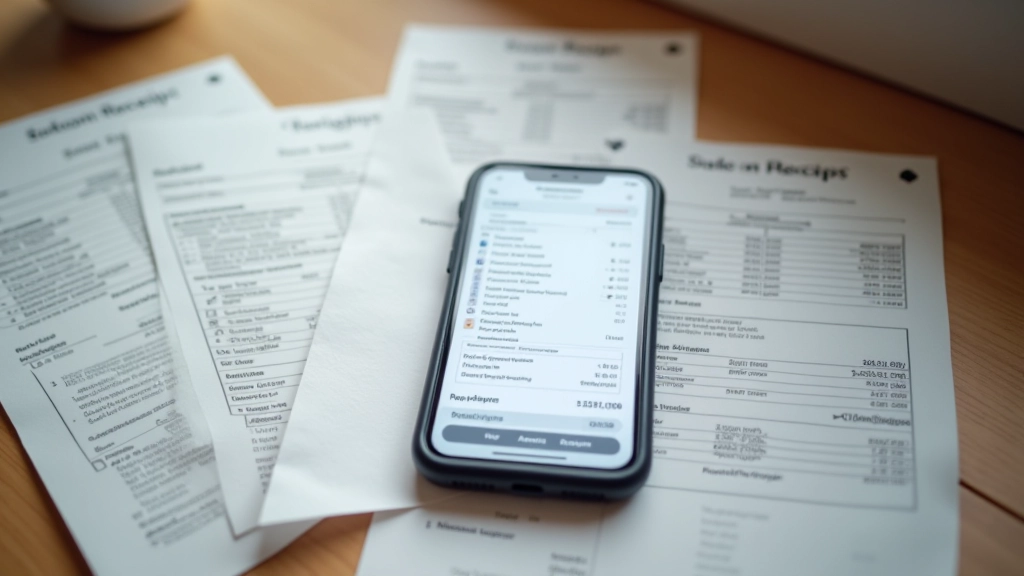
This is for people who like data but don’t want to become data analysts. You take photos of receipts for 4 weeks, then do a single analysis.
Don’t obsess about it daily. Just snap a photo when you pay for something. Coffee? Photo. Grocery shopping? Photo. Monthly subscription? Photo. At the end of the month, look through them.
Why it works: You’re not judging yourself daily. You’re just gathering information. That creates space to make changes without guilt.
Here’s the honest truth: You might try one method for three weeks and realize it’s not clicking. That’s not failure. That’s useful information. Switch methods and try again.
Any method works for two weeks. The trick is week three when the novelty wears off. Here’s what actually helps:
Start small: Don’t track everything immediately. Pick one category first. Master that, then add another.
Set a check-in day: Pick one day a week (Sunday works for many people) to review. Make it routine, not random.
Focus on insight, not judgment: You’re not being “good” or “bad.” You’re just learning where your money goes.

Tracking spending doesn’t mean obsessing. It means understanding. Pick one method, commit to it for a month, and see what you learn. If it’s not working, you’ve got two other approaches ready to go.
The goal isn’t perfect tracking. It’s better decisions. That’s it. Start this week. Pick your method. And don’t aim for perfection — aim for progress.
This article is for educational purposes only and provides general information about spending tracking methods. It’s not financial advice tailored to your personal situation. Everyone’s circumstances are different — your income, expenses, and goals are unique to you. The percentages and methods described here are frameworks to consider, not rules to follow exactly. Before making major financial decisions, consider consulting with a qualified financial advisor who understands your complete financial picture. The strategies discussed represent common approaches used by many people, but what works for one person might need adjustment for another.